
Hyperbaric Oxygen Therapy After Cosmetic Surgery: Optimize Your Recovery Naturally
Preparing for plastic surgery requires careful planning, but how you handle your body’s healing response after leaving the operating room is just as vital. Utilizing Hyperbaric Oxygen Therapy After Cosmetic Surgery offers a natural, effective way to address post-operative swelling, bruising, and sluggish surgical wound healing so you can resume your normal routine faster.
It is completely natural to feel anxious about your recovery timeline and final aesthetic results. You want your body to heal efficiently, smoothly, and with minimal downtime.
While conservative practices like rest, hydration, and gentle care are essential, adjunctive therapies can significantly optimize your post cosmetic surgery healing. Under the guidance of Dr. Adam Fields, therapies like Hyperbaric Oxygen Therapy After Cosmetic Surgery offer a non-invasive, powerful way to nourish compromised tissues, accelerate tissue repair, and support your body’s natural regenerative processes.
What Is Cosmetic Surgery Recovery?
Cosmetic surgery encompasses procedures designed to enhance physical appearance, ranging from facelifts and rhinoplasties to body contouring, liposuction, and breast augmentations. While these procedures reshape tissues externally, they subject the body internally to significant mechanical trauma. Understanding the anatomy of surgical wound healing helps clarify why recovery takes time and why adjunctive options like Hyperbaric Oxygen Therapy After Cosmetic Surgery are becoming standard care for fast-tracking healing.
During surgery, blood vessels, lymph capillaries, and connective tissues are cut or disrupted. This disruption temporarily impairs localized circulation, restricting the flow of oxygen and essential nutrients to the healing tissues.
Understanding the anatomy of surgical wound healing helps clarify why recovery takes time:
-
The Vascular Network: Blood vessels deliver oxygen and white blood cells to prevent infection and build new tissue. When damaged during surgery, localized hypoxia (low oxygen) occurs.
-
The Lymphatic System: This network drains fluid and cellular waste. Surgical trauma temporarily overloads or disconnects these channels, leading to fluid accumulation (edema).
-
Dermal Layers: Deep incision lines require collagen synthesis to close securely and form minimal, flat scars.
Common Symptoms During Cosmetic Surgery Recovery
Every patient heals at a unique pace, but most experience a predictable set of symptoms following a procedure. Recognizing these helps you monitor your progress effectively:
-
Localized Swelling (Edema): Fluid build-up around the incision sites and surrounding tissues.
-
Bruising (Ecchymosis): Discoloration caused by broken micro-vessels beneath the skin.
-
Post-Operative Pain and Soreness: Tenderness caused by nerve irritation and inflammation.
-
Tightness and Stiffness: Reduced mobility near the surgical area due to skin tension and early scar formation.
-
Temporary Numbness or Tingling: Occurs as minor cutaneous nerves recover from surgical stretch or disruption.
-
Fatigue: Energy diverted by the body to focus heavily on systemic cellular repair.
What Causes Prolonged Plastic Surgery Recovery?
While immediate inflammation is a healthy, necessary response to surgical trauma, certain factors can stall the healing cascade and extend your downtime:
1. Tissue Hypoxia
When blood supply is disrupted, cellular oxygen levels drop. Cells require oxygen to produce ATP (cellular energy), synthesize collagen, and fight off potential pathogens. Low oxygen slows down these vital processes.
2. Lymphatic Congestion
Trapped fluid creates excess pressure in surrounding tissues. This pressure further compresses nearby capillaries, worsening tissue starvation and prolonging visible swelling.
3. Patient-Specific Factors
Lesser-known factors that slow plastic surgery recovery include:
-
Micro-vascular Strain: Poor baseline micro-circulation or history of nicotine exposure.
-
Nutritional Deficiencies: Inadequate protein or key vitamins needed for tissue matrix construction.
-
Over-exertion: Returning to physical activity too early, causing repeated micro-trauma to healing tissues.
-
Chronic Stress: Elevated cortisol levels, which can suppress natural immune and inflammatory balance.
How Dr. Adam Fields Uses Hyperbaric Oxygen Therapy After Cosmetic Surgery
Dr. Adam Fields provides integrative, conservative care designed to support your body’s inherent healing capacity following plastic surgery. Rather than replacing your surgeon’s medical directions, these natural therapies work alongside them to optimize recovery. 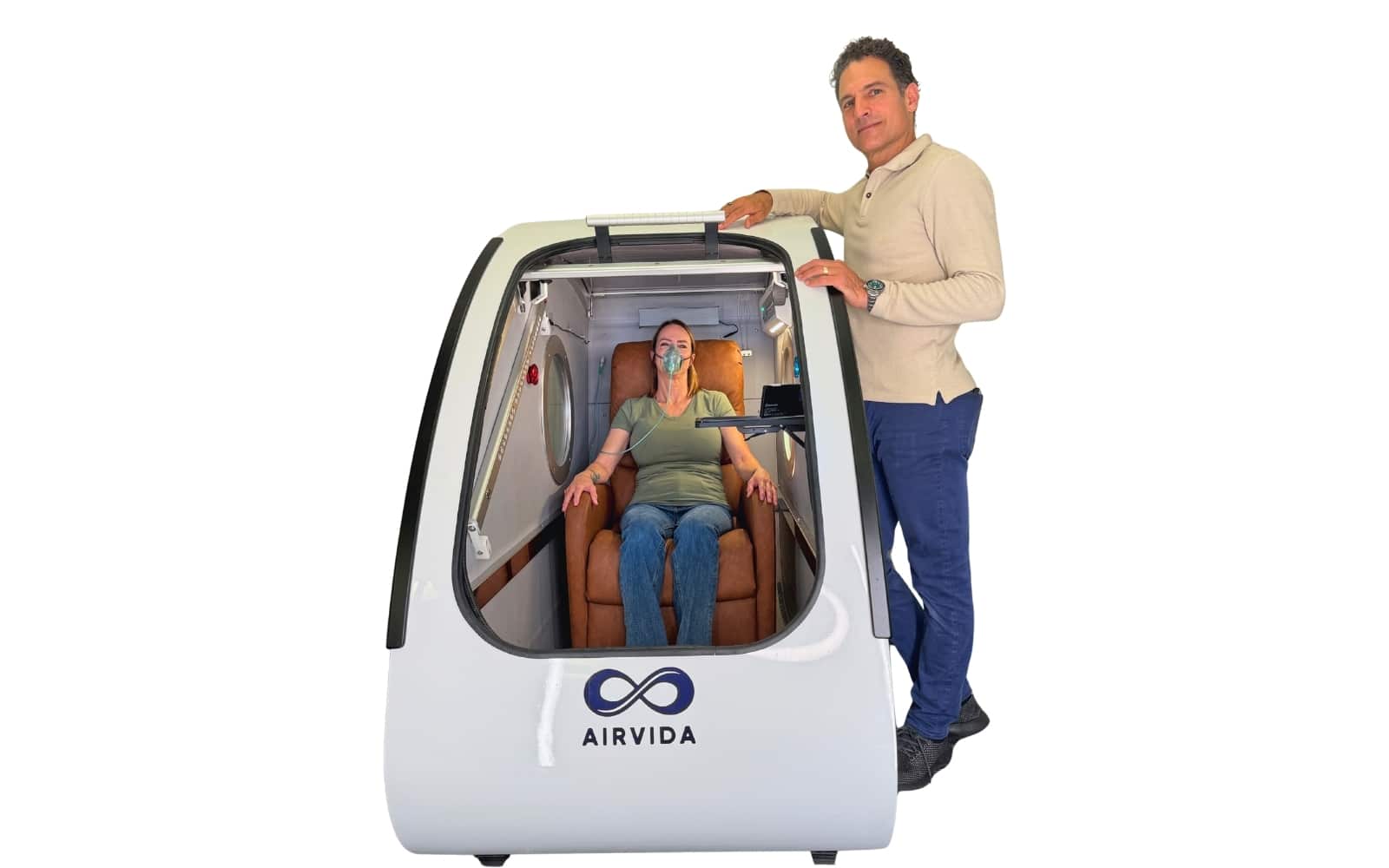
Hyperbaric Oxygen Therapy After Cosmetic Surgery for Accelerated Healing
Using Hyperbaric Oxygen Therapy After Cosmetic Surgery delivers 100% pure oxygen under increased atmospheric pressure. This process supersaturates blood plasma, allowing oxygen to reach deep into swollen, oxygen-deprived tissues that red blood cells struggle to navigate. HBOT drastically aids surgical wound healing, reduces inflammation, and stimulates new blood vessel growth (angiogenesis).
Gentle Cranial Care & Spinal Alignment
Surgical positioning, anesthesia intubation, and altered posture during early rest can introduce structural strain. Gentle chiropractic adjustments and cranial care help relieve upper cervical tension, optimize nervous system flow, and restore structural balance safely without stressing surgical sites.
Targeted Soft Tissue & Lymphatic Therapy
Dr. Fields utilizes specialized, low-force soft tissue techniques to encourage lymphatic drainage. Gently mobilizing fluid away from incision areas helps reduce swelling after cosmetic surgery and minimizes early scar tissue adhesion.
Shockwave Therapy for Late-Stage Plastic Surgery Recovery
Once incisions are completely closed and mature, acoustic wave therapy (Shockwave) can be applied to remodeled areas. This helps break up dense, fibrotic scar tissue, smooth out skin contours, and enhance micro-circulation.
Rehabilitation & Lifestyle Recommendations
You will receive custom guidance on anti-inflammatory nutrition, targeted supplementation, safe movement protocols, and posture management to protect your surgical results while promoting faster recovery after cosmetic surgery.
Benefits of Hyperbaric Oxygen Therapy for Post-Cosmetic Surgery Healing
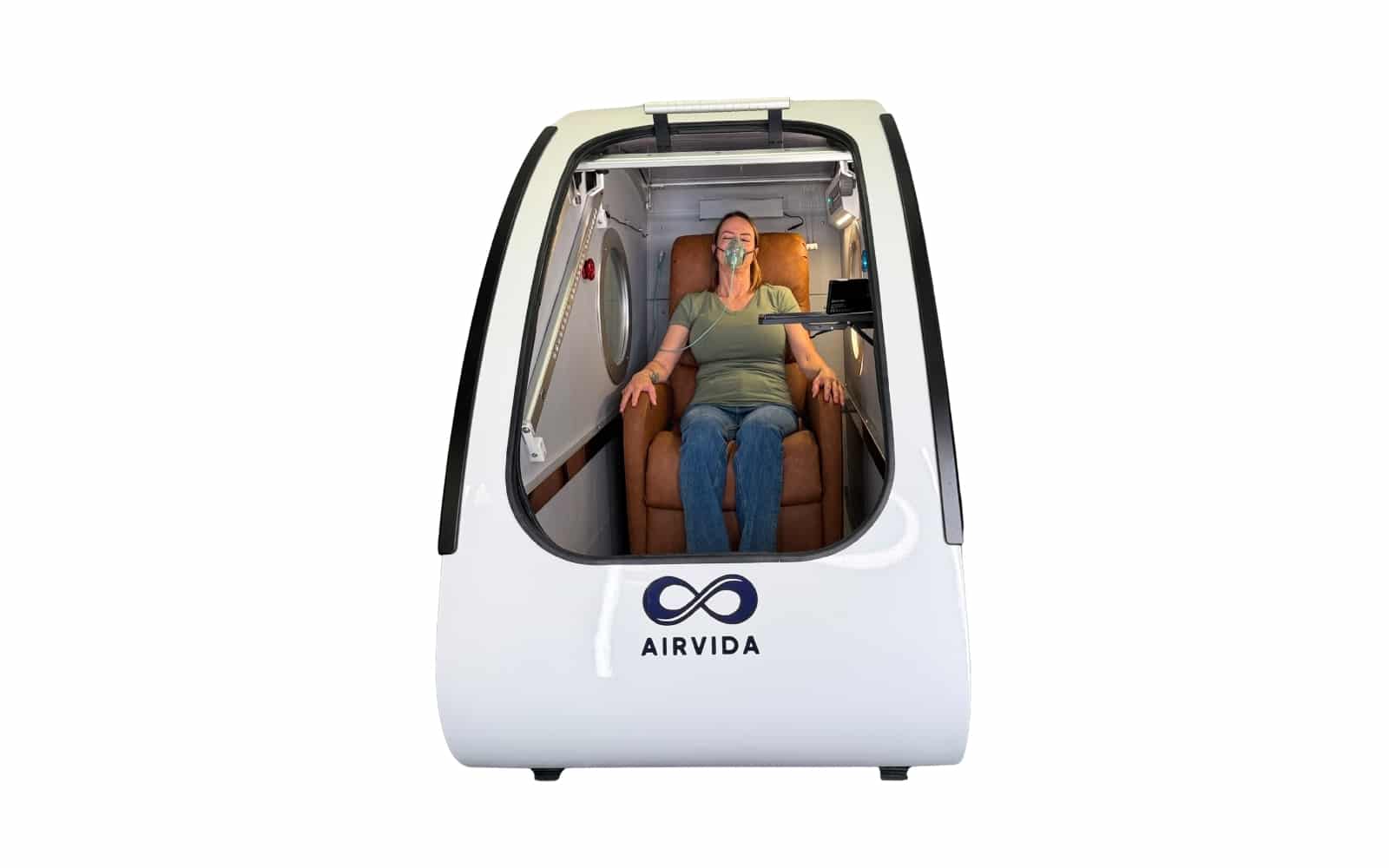
A patient experiences a hyperbaric oxygen therapy session designed to support wellness and recovery at Fields Family Chiropractic.
Combining hyperbaric oxygen therapy with holistic supportive care yields numerous physical and emotional benefits during your recovery journey:
-
Faster Recovery After Cosmetic Surgery: Accelerated cellular repair gets you back to your routine sooner.
-
Rapid Reduction in Swelling: Enhanced lymphatic clearance relieves tissue pressure and tightness.
-
Minimized Bruising: Faster clearance of stagnant blood pigments beneath the skin.
-
Improved Scar Aesthetics: Optimal oxygen levels encourage organized collagen deposition, promoting flatter, smoother scars.
-
Enhanced Tissue Viability: Reduces the risk of tissue distress in delicate cosmetic flap or graft procedures.
-
Greater Overall Comfort: Decreased inflammation translates directly to reduced aches and post-operative discomfort.
What to Expect During Your Visit
Navigating your post-operative period should be stress-free and smooth. Here is what your journey looks like in our practice:
1. Comprehensive Consultation
We review your complete surgical history, your plastic surgeon’s post-op protocols, your current healing stage, and your personal recovery goals.
2. Focused Evaluation
Dr. Fields performs a gentle assessment of your general mobility, posture, fluid retention, and tissue health while respecting all surgical boundaries and incisions.
3. Customized Care Plan
A personalized schedule is developed, often pairing sessions of Hyperbaric Oxygen Therapy After Cosmetic Surgery with non-invasive supportive therapies tailored to your specific recovery timeline.
4. Relaxing Therapy Sessions
HBOT treatments are comfortable and relaxing. You simply rest, read, or listen to music inside the chamber while breathing pure oxygen under gentle pressure.
5. Progress Tracking & Follow-Up Care
We continually evaluate your skin clarity, swelling reduction, and comfort levels, adapting your plan as your tissues heal and mature.
Why Choose Dr. Adam Fields?
Choosing the right practitioner for your post-operative support is essential for safe, high-quality results.
-
Extensive Clinical Experience: Decades of specialized focus in non-invasive healing, structural health, and regenerative modalities.
-
Evidence-Informed Protocols: Utilizing therapies supported by scientific research in wound care and hyperbaric medicine.
-
Patient-Centered Philosophy: Compassionate, attentive care that respects your body’s unique pace and needs.
-
Collaborative Approach: We respect and work alongside the post-operative guidelines set by your plastic or cosmetic surgeon.
-
Conservative Focus: Dedicated to natural, drug-free solutions that enhance your body’s innate healing mechanisms.
Frequently Asked Questions About Hyperbaric Oxygen Therapy After Cosmetic Surgery
When should I start Hyperbaric Oxygen Therapy after cosmetic surgery?
HBOT accelerates micro-vascular repair and promotes white blood cell activity, allowing your body to clear trapped red blood cells and tissue waste products far more quickly than on its own.
Is Hyperbaric Oxygen Therapy safe post-surgery?
Yes. HBOT is a non-invasive, widely studied therapy. Dr. Fields conducts a thorough screening to ensure you have no contraindications, such as untreated sinus congestion or specific lung conditions.
How many HBOT sessions will I need for post cosmetic surgery healing?
Session counts vary based on the procedure’s complexity and your individual healing response. Most recovery protocols range between 5 to 10 sessions structured over the first two weeks post-surgery.
Will chiropractic care interfere with my surgical incisions?
No. Post-surgical care with Dr. Fields is strictly non-invasive and highly adapted. Direct force is never applied near open wounds or fragile surgical sites. Care focuses on gentle cranial release, distant structural alignment, and soft tissue fluid drainage.
Can HBOT improve scar appearance?
Yes. Oxygen is essential for proper collagen cross-linking. By delivering high oxygen concentrations to healing skin layers, HBOT helps prevent raised, thick scar formation and encourages flatter, smoother skin lines.
Can I do HBOT if I had facial surgery like a facelift or rhinoplasty?
Absolutely. HBOT is particularly popular for facial procedures because it rapidly targets visible swelling and bruising around delicate facial structures where downtime is most noticeable.
How does Shockwave Therapy fit into plastic surgery recovery?
Shockwave therapy is reserved for later recovery stages (typically weeks or months post-op). It is used to smooth out post-liposuction contour irregularities, soften firm scar tissue, and improve long-term skin elasticity.
Do I need a referral from my plastic surgeon?
While a formal referral is not always mandatory depending on your jurisdiction, we strongly encourage open communication with your surgical team to ensure a cohesive, unified recovery strategy.
Ready to Accelerate Your Cosmetic Surgery Recovery?
You deserve a smooth, comfortable, and efficient recovery journey so you can enjoy your cosmetic results to the fullest. Let us help you support your body’s natural power to heal.
Schedule your post-surgery recovery consultation with Dr. Adam Fields today. Contact our office to discuss how Hyperbaric Oxygen Therapy and conservative recovery care can be integrated into your surgical plan.